What Could Be Wrong with My Pet? 10 Common Emergency Conditions Vets See Most
When your pet suddenly starts acting differently, like low energy, unusual behavior, or visible distress, it can be hard to know what’s serious and what can wait.
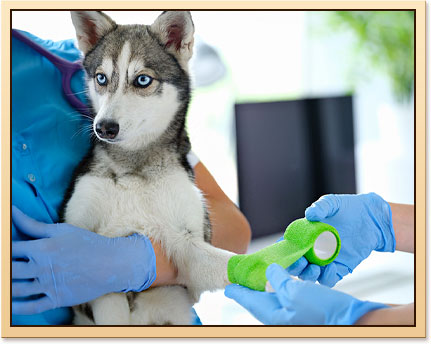
At River Trail Animal Hospital, we help pet owners throughout Tulsa, Bixby, and surrounding communities understand the benefits of spaying and neutering and determine the best timing for their cat.
At River Trail Animal Hospital & Pet Lodge, we regularly help pet owners across Tulsa, Bixby, and surrounding areas navigate urgent situations. Recognizing the early warning signs of a true emergency can help you act quickly and potentially save your pet’s life.
If you’re searching for an emergency vet Tulsa & Bixby pet owners trust, here are 10 of the most common conditions seen at a pet emergency clinic and what to watch for to keep your pet safe.
1. Difficulty Breathing
Breathing problems are always considered urgent. Pets may show rapid breathing, wheezing, gasping, or extended neck posture as they try to get more air.
Key signs: Open-mouth breathing in cats (a major red flag), blue or pale gums, excessive panting without exertion.
What to do: Keep your pet calm and cool. Avoid putting pressure on their neck or chest. Transport them immediately to River Trail Animal Hospital & Pet Lodge, your trusted animal emergency center in Tulsa, Bixby, and surrounding areas.
2. Persistent Vomiting or Diarrhea
While mild stomach upset can happen, repeated episodes can quickly lead to dehydration and electrolyte imbalance.
Key signs: Vomiting multiple times in a short period, diarrhea lasting more than a day, blood in stool or vomit, refusal to eat or drink.
What to do: Remove food for a short period but allow small sips of water. If symptoms persist, worsen, or are paired with lethargy, seek care promptly at River Trail Animal Hospital. Puppies, kittens, and senior pets are especially vulnerable.
3. Ingestion of Toxic Substances
Many everyday items are dangerous to pets, including chocolate, grapes, onions, medications, rodent poison, and certain houseplants.
Key signs: Drooling, vomiting, shaking, disorientation, seizures, or sudden lethargy.
What to do: Time is critical. Do not wait for symptoms to appear. Contact your local veterinarian immediately and bring any packaging or information about what was ingested. Early treatment dramatically improves outcomes.
4. Trauma or Injury
Even seemingly minor accidents can result in serious internal injuries that aren’t immediately visible.
Key signs: Limping, swelling, bleeding, difficulty standing, pale gums, or unusual quietness after an incident.
What to do: Handle your pet gently and limit movement, especially if you suspect fractures or spinal injury. Use a towel or board as a stretcher if needed. Always have trauma evaluated by a veterinarian, even if your pet seems “okay.”
5. Seizures or Collapse
Seizures can vary from mild twitching to full-body convulsions. Collapse without warning is also a major concern.
Key signs: Loss of consciousness, stiffening or paddling limbs, drooling, confusion after the episode.
What to do: Move objects away to prevent injury and keep your pet safe. Do not restrain them or put your hands near their mouth. If the seizure lasts more than 2–3 minutes or multiple seizures occur, seek emergency care immediately.
6. Bloat (Gastric Dilatation-Volvulus)
Bloat is one of the most time-sensitive emergencies, especially in large breed dogs.
Key signs: Distended abdomen, restlessness, pacing, drooling, and repeated attempts to vomit with no result.
What to do: This condition progresses rapidly and can be fatal within hours. Immediate veterinary intervention is essential, do not delay or attempt home remedies.
7. Inability to Urinate
A urinary blockage prevents toxins from leaving the body and can quickly lead to organ failure.
Key signs: Frequent attempts to urinate with little or no output, crying in the litter box, licking the area, or hiding.
What to do: This is a medical emergency. Seek care right away. The longer a blockage remains, the more dangerous it becomes.
8. Heatstroke
Heatstroke can develop faster than many pet owners expect, especially in warm climates or enclosed spaces.
Key signs: Heavy panting, drooling, vomiting, weakness, bright red gums, or collapse.
What to do: Move your pet to a shaded or air-conditioned area. Apply cool (not ice-cold) water to their body, especially the paws and belly. Offer small amounts of water, then go directly to a veterinarian, as internal damage can continue after initial cooling.
9. Uncontrolled Bleeding or Wounds
Open wounds and uncontrolled bleeding can lead to shock or infection if not treated quickly.
Key signs: Continuous bleeding, deep cuts, visible tissue, or puncture wounds from bites.
What to do: Apply firm, steady pressure using a clean cloth or bandage. Keep your pet as still as possible and seek veterinary care immediately for proper cleaning, suturing, and infection prevention.
10. Gastrointestinal Blockages
Pets often swallow objects that can become lodged in their digestive tract.
Key signs: Repeated vomiting, abdominal pain, bloating, loss of appetite, or straining to defecate.
What to do: Do not attempt to induce vomiting unless directed by a veterinarian. Blockages often require imaging and possibly surgery. Early treatment can prevent serious complications.
When to Visit an Emergency Vet in Tulsa
If your pet’s symptoms are severe, worsening, or simply don’t feel right, it’s always better to act quickly. Delaying care can allow conditions to escalate.
River Trail Animal Hospital & Pet Lodge is here to support pets and families across Tulsa, Bixby, and nearby communities when urgent care is needed most.
Final Thoughts
Emergencies can happen without warning, but preparation and awareness make a difference.
Knowing the signs, staying calm, and seeking help from a trusted animal emergency center Tulsa pet owners depend on can help ensure your pet gets the care they need, when they need it.
If you’re ever unsure, don’t hesitate to reach out. Acting early could save your pet’s life!
Contact us anytime with questions about your pet’s health and safety. We’re here to help.